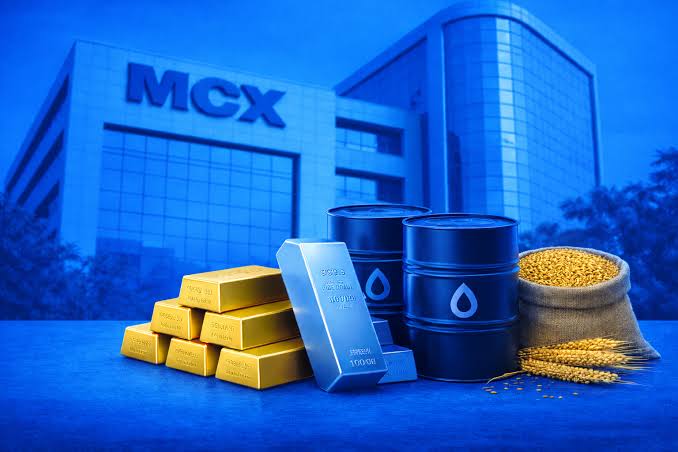
Multi Commodity Exchange of India (MCX), India’s largest commodity exchange, plans to invest up to ₹200 crore to establish separate trading platforms for coal and minerals as the government moves to create more transparent and organised markets for physical commodities. The exchange is seeking regulatory approvals to launch the new businesses, which could expand MCX beyond its established commodity derivatives operations.
MCX Managing Director and CEO Praveena Rai said the exchange plans to invest about ₹100 crore each in the two businesses. The Securities and Exchange Board of India (SEBI) has approved the proposed investments, while MCX still requires clearances from the Coal Controller Organisation and the Indian Bureau of Mines. The proposed platforms are expected to facilitate electronic trading and improve domestic price discovery for commodities including coal, iron ore and bauxite.
MCX Plans ₹200 Crore Investment
MCX intends to invest as much as ₹200 crore in its planned coal and minerals trading businesses.
The exchange has already incorporated separate entities for the two operations and is seeking the necessary licences from the respective authorities.
The proposed investment will be divided broadly equally between the platforms:
| Business | Proposed Investment | Regulatory Approval Required |
|---|---|---|
| Coal trading platform | ₹100 crore | Coal Controller Organisation |
| Minerals trading platform | ₹100 crore | Indian Bureau of Mines |
| Total | ₹200 crore | Multiple approvals |
SEBI has approved MCX’s plan to invest approximately ₹100 crore in each of the two businesses.
The company will now need to complete the remaining regulatory process before the platforms can become operational.
Why MCX Wants to Enter Coal and Minerals
Coal economics are contested elsewhere too — see the Supreme Court ruling on Adani Power dues.
The proposed expansion comes as India seeks to develop domestic marketplaces for commodities whose prices are often influenced by international benchmarks.
According to MCX management, India is a major producer of coal and several minerals, but domestic pricing is frequently influenced by prices established outside the country.
A centralised electronic marketplace could help create more transparent domestic price discovery.
It could also provide buyers and sellers with a common platform through which transactions can be conducted under standardised rules.
Physical Commodity Trading Is the Focus
The new platforms are expected to be different from MCX’s traditional derivatives business.
Government rules have been notified to allow commodity exchanges to facilitate trading in physical commodities through centralised electronic platforms.
The proposed system would enable buyers and sellers to transact physical-delivery contracts for commodities such as coal, iron ore, bauxite and other minerals.
This could bring greater transparency to a market that has historically relied on bilateral transactions and negotiated pricing.
How the Proposed Model Could Work
Coal and mineral producers
↓
Sellers list available material
↓
Buyers submit bids
↓
Centralised electronic platform
↓
Transparent price discovery
↓
Physical delivery
↓
Standardised transaction process
The model could create a more structured marketplace for industrial commodities.
Price Discovery Is a Major Policy Objective
One of the main reasons behind the government’s push for commodity trading platforms is better price discovery.
When prices are determined through a centralised marketplace with multiple buyers and sellers, participants can see market-based prices rather than relying entirely on private negotiations.
This could make pricing more transparent for producers, consumers and intermediaries.
For commodities such as coal and minerals, better price information could also help companies plan procurement and production more efficiently.
Coal Could Become a Major New Market
Coal is one of India’s most important industrial commodities.
It remains a major source of energy for power generation and is also used by industries including steel, cement and other heavy manufacturing sectors.
The size of the market gives MCX a potentially significant opportunity if it can establish sufficient participation from producers, consumers and traders.
A dedicated electronic marketplace could also make it easier for industrial buyers to compare prices and source material.
Minerals Platform Could Cover Multiple Commodities
The proposed minerals platform could potentially cover commodities such as iron ore, bauxite and other minerals.
India has substantial mineral resources and a large industrial base that depends on raw materials.
A centralised marketplace could provide a common mechanism for trading these commodities while creating more visible market prices.
The platform could eventually become an important reference point for industries that rely on mineral inputs.
MCX Is Expanding Beyond Derivatives
The proposed platforms represent a significant strategic expansion for MCX.
The exchange is best known for futures and options trading in commodities such as gold, silver, crude oil, natural gas and base metals.
Moving into physical commodity markets would allow MCX to participate in another part of the commodity ecosystem.
This could also create opportunities to connect physical commodity trading with its existing derivatives business.
Existing Commodity Expertise Could Help
MCX already has extensive experience operating a regulated commodity marketplace.
Its existing technology infrastructure, member network and experience with commodity contracts could provide a foundation for the new businesses.
The exchange also has relationships with brokers, traders, institutional participants and other market intermediaries.
However, physical commodity markets have different requirements from derivatives markets, particularly around delivery, quality standards, logistics and settlement.
Delivery Infrastructure Will Be Important
For a physical commodity marketplace to succeed, electronic trading alone will not be enough.
The exchange will need mechanisms for:
- Quality verification
- Warehousing
- Transportation
- Delivery scheduling
- Settlement
- Dispute resolution
- Contract standardisation
These systems are particularly important for commodities such as coal and minerals because physical characteristics can vary significantly between shipments.
Standardisation Could Improve Market Efficiency
A centralised marketplace can establish standard specifications for commodities.
For example, contracts can define acceptable quality, quantity, delivery locations and other conditions.
This reduces uncertainty for buyers and sellers.
Standardisation can also make it easier for participants to compare different offers and execute transactions.
For industrial buyers, this could reduce procurement complexity.
Government Policy Is Creating an Opening
MCX’s planned expansion comes after the government notified rules allowing commodity exchanges to facilitate trading in coal and minerals.
The policy framework creates an opportunity for established exchanges to build regulated marketplaces for physical commodities.
MCX is among the first major exchanges to move toward this opportunity.
The company’s investment indicates that management sees potential for organised commodity trading to develop into a meaningful business.
Regulatory Approvals Remain the Next Hurdle
Although SEBI has approved the proposed investment, MCX still requires additional approvals.
The Coal Controller Organisation will be involved in the regulatory process for the coal platform.
The Indian Bureau of Mines will be relevant to the minerals business.
The timing of the final launches will therefore depend on the approval process and the exchange’s ability to establish the required operating infrastructure.
MCX Shares Rise After the Announcement
Investors reacted positively to the expansion plans.
MCX shares rose as much as 3.1% to ₹3,022.50 on August 18, marking the stock’s strongest intraday gain since August 12.
The shares had already gained about 32% during 2026 before the latest move.
The market response suggests investors are paying attention to MCX’s efforts to broaden its addressable market.
MCX Has Been Reporting Strong Growth
The planned expansion comes after a period of strong growth for MCX.
The exchange’s commodity derivatives business has benefited from increased trading activity, particularly in precious metals and other commodities.
In the third quarter of FY26, MCX reported revenue from operations of ₹666 crore, up 121% year over year.
Profit after tax increased 151% to ₹401 crore.
Its average daily turnover in futures and options reached approximately ₹7.5 lakh crore during the quarter.
This strong financial performance provides MCX with greater capacity to invest in new businesses.
New Platforms Could Diversify Revenue
MCX currently generates most of its revenue from transaction-related activity in its commodity derivatives markets.
The coal and minerals businesses could provide additional revenue streams over time.
If physical commodity trading gains sufficient scale, MCX could generate income from transaction fees and related services.
The diversification could reduce the exchange’s dependence on the performance of its existing commodity derivatives markets.
Coal and Minerals Could Create a Larger Addressable Market
The addition of physical commodity trading could significantly expand MCX’s potential market.
Derivatives are primarily used for price discovery, hedging and trading.
Physical markets involve actual movement of commodities between producers and consumers.
By participating in both areas, MCX could potentially serve a broader range of participants across the commodity value chain.
Industrial Buyers Could Benefit
Large industrial companies regularly purchase raw materials such as coal, iron ore and other minerals.
A transparent electronic platform could help them identify competitive prices and potentially diversify their supplier base.
It could also provide more reliable market information for procurement teams.
For companies with large raw-material requirements, even small improvements in procurement efficiency can have a meaningful impact on costs.
Producers Could Gain Better Market Access
Producers could also benefit from access to a broader pool of buyers.
Instead of negotiating individually with potential customers, producers could potentially offer material through a centralised marketplace.
This could improve visibility and potentially increase competition among buyers.
Smaller producers could particularly benefit if the platform helps them reach a wider customer base.
Transparency Could Reduce Information Gaps
Commodity markets can suffer from information asymmetry when buyers and sellers have different access to price information.
A centralised exchange can reduce that gap by publishing market prices and transaction information.
Greater transparency can help participants make more informed decisions.
It could also support the development of domestic benchmarks for important industrial commodities.
MCX Could Eventually Connect Physical and Derivatives Markets
One of the longer-term opportunities is the potential interaction between physical commodity trading and derivatives.
A participant buying physical coal, for example, could potentially use derivatives to manage price risk.
Similarly, producers could use futures contracts to hedge against price fluctuations.
If MCX successfully develops both sides of the market, it could create a broader commodity ecosystem.
Competition Will Be Important
MCX will not necessarily operate without competition.
Other exchanges and commodity-market institutions could also seek opportunities in coal and mineral trading.
The success of a platform depends heavily on liquidity.
A marketplace needs sufficient buyers and sellers to generate competitive prices.
MCX’s existing market position could help it attract participants, but it will still need to demonstrate that the new platforms can deliver efficient execution.
Liquidity Will Determine Success
For an exchange, launching a platform is only the first step.
The more important challenge is achieving consistent trading activity.
If there are too few participants, buyers and sellers may struggle to find counterparties.
That can reduce the usefulness of the platform and make participants return to traditional bilateral transactions.
MCX will therefore need to build liquidity quickly after launch.
Technology Will Remain a Core Advantage
MCX’s existing electronic trading infrastructure could provide an advantage as it enters physical commodity markets.
A reliable digital platform can support real-time bids, offers, transaction records and settlement processes.
However, the technology will need to integrate with physical delivery systems and regulatory reporting.
This makes the new businesses more operationally complex than conventional derivatives trading.
What the Expansion Means for MCX
For MCX, the ₹200 crore investment represents a relatively small amount compared with the potential size of the markets it is targeting.
The exchange is attempting to use its existing expertise and infrastructure to enter new commodity segments.
If successful, the strategy could provide a new source of long-term growth.
It could also strengthen MCX’s position as a broader commodity-market infrastructure provider.
Key Risks
The expansion also carries several risks.
These include:
- Delays in regulatory approvals
- Slow adoption by producers and buyers
- Low initial liquidity
- Competition from other marketplaces
- Delivery and logistics challenges
- Commodity-quality disputes
- Technology integration issues
- Changes in government policy
- Higher-than-expected operating costs
The platforms will need to overcome these challenges before they can become meaningful contributors to MCX’s financial performance.
What Investors Will Watch
Investors are likely to monitor several milestones as MCX develops the new businesses.
These include:
- Final regulatory approvals
- Launch timelines
- Number of registered participants
- Trading volumes
- Transaction values
- Liquidity
- Revenue contribution
- Operating costs
- Adoption by major producers
- Participation from large industrial buyers
The pace at which the platforms build liquidity will be particularly important.
MCX’s Financial Position Provides Room to Invest
MCX’s recent financial performance gives it the ability to invest in new initiatives without putting significant pressure on its existing business.
The exchange reported strong revenue and profit growth during FY26.
That provides management with additional flexibility to invest in technology, talent and infrastructure.
The ₹200 crore planned investment is therefore part of a broader growth strategy rather than a defensive move.
India’s Commodity Markets Could Become More Organised
The proposed MCX platforms reflect a broader effort to modernise India’s commodity markets.
Greater electronic trading could make transactions more transparent and improve access to market information.
Over time, organised commodity exchanges could become more important in sectors that currently rely heavily on bilateral negotiations.
This could support more efficient supply chains across industries.
The Bigger Picture
MCX’s plan to invest up to ₹200 crore in coal and minerals trading platforms marks a significant expansion beyond its traditional commodity derivatives business. The exchange plans to invest approximately ₹100 crore each in the two businesses and has already received SEBI approval for the investments. It is now seeking licences from the Coal Controller Organisation and the Indian Bureau of Mines before launching the platforms.
The move comes as the government seeks to establish more transparent domestic markets for physical commodities including coal, iron ore and bauxite. Centralised electronic trading could improve price discovery, give producers access to a broader pool of buyers and help industrial consumers obtain more transparent market prices. MCX’s existing technology, member network and commodity-market expertise could give it an advantage, although building sufficient liquidity and reliable physical-delivery infrastructure will be critical.
Looking Ahead
MCX’s immediate priority will be securing the remaining regulatory approvals and preparing the infrastructure required to launch the coal and minerals platforms. The exchange will need to establish standardised contracts, delivery mechanisms, quality controls and settlement systems while attracting producers, industrial buyers and traders. The ability to build liquidity from the early stages will determine whether the new platforms can become viable businesses.
Over the longer term, the expansion could help MCX evolve from a derivatives-focused commodity exchange into a broader marketplace covering both financial and physical commodities. If the new platforms gain meaningful participation, they could create additional revenue streams while improving price transparency across important sectors of India’s industrial economy. The initiative also aligns with the government’s broader objective of bringing greater organisation and transparency to domestic commodity markets.
Frequently Asked Questions
How much is MCX investing?
MCX plans to invest up to ₹200 crore to establish separate trading platforms for coal and minerals.
Why is MCX entering coal?
Physical commodity trading is the focus, with price discovery a major policy objective. Coal could become a significant new market.
What is MCX?
Multi Commodity Exchange of India is the country’s largest commodity exchange.
Get the day’s top stories in your inbox
One concise email. No spam, unsubscribe anytime.


