Key takeaways
- Amazon says its drone service is moving toward nearly 500 US cities.
- Amazon Prime Air delivers small, eligible orders by drone.
- Weather, local rules, and package size can still limit each flight.
- The wider rollout puts Amazon in a tough race to make fast delivery work.
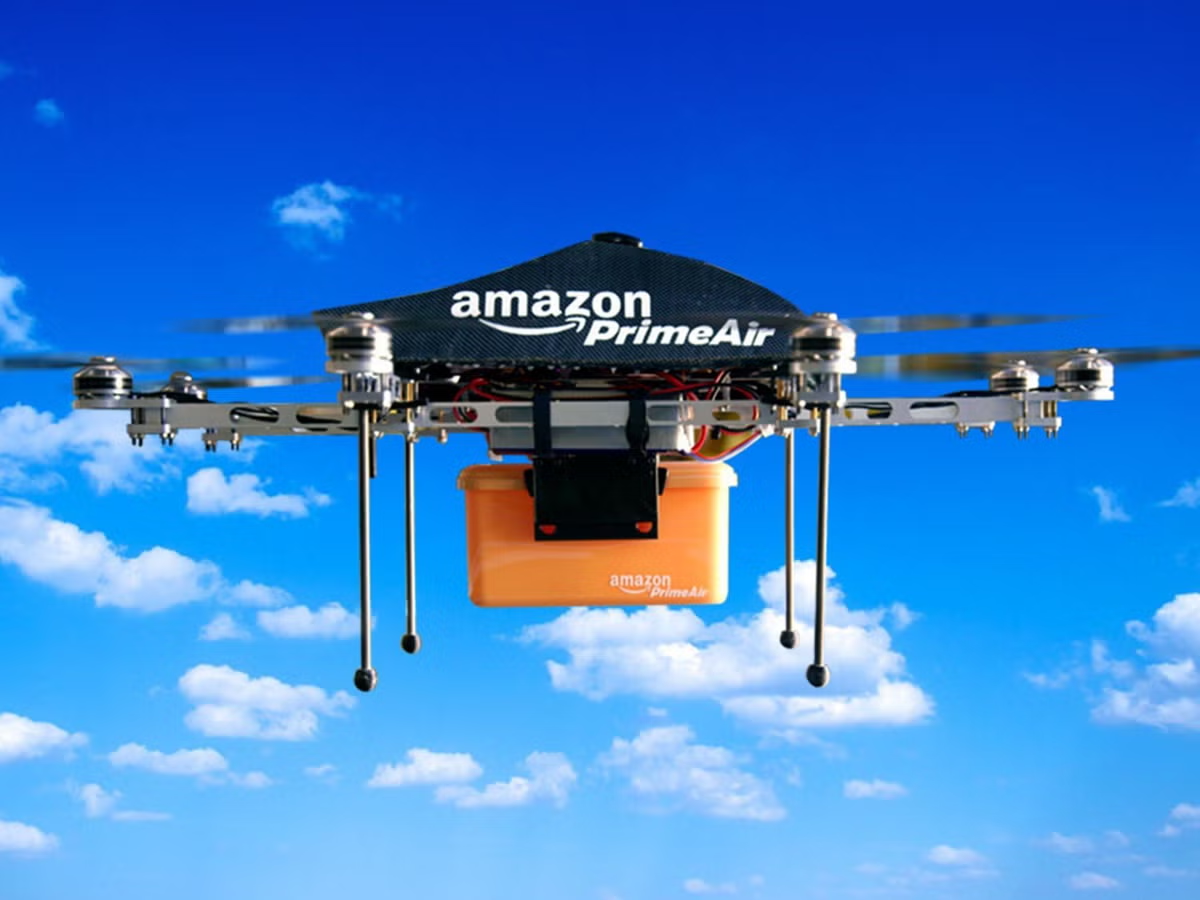
Amazon Prime Air is Amazon’s drone delivery service, which sends small packages through the air. Amazon says it is taking the service to nearly 500 US cities. That is a big jump from early test areas. Still, drone delivery won’t replace every van at your door.
What does Amazon Prime Air’s 500-city plan mean?
The plan means more US shoppers may soon see eligible items arrive by small drone. Amazon Prime Air is meant for light orders that customers need quickly. A drone flies from a local site, drops the parcel, then returns. It does not need a driver for that short trip.
Amazon has not said that every home in all 500 cities will get the service at once. City limits can cover farms, parks, tall buildings, and far-apart homes. So a city launch is not the same as full city coverage. Shoppers will need to check whether their address and item qualify.
Amazon’s move toward nearly 500 US cities could make drone delivery far more common, but it will work only for small eligible orders in places where Amazon can fly safely.
Why is this a major step for Amazon Prime Air?
Amazon has tested drone delivery for years, but running it at scale is hard. A scale service works for many people each day, not just a few test users. The company must place drones, staff, charging gear, and safe flight routes near customers.
The number matters because nearly 500 cities is a much larger map than a few pilot towns. Amazon has said its newer MK30 drone can carry packages weighing up to 5 pounds. That covers many everyday items, such as phone chargers, soap, or a small box of snacks.
Amazon also says some Prime Air deliveries can arrive in under an hour. That speed sounds useful, but only when the item is nearby. A warehouse cannot send a 5-pound parcel by drone from hundreds of miles away.
How will drone delivery work for a customer?
A customer picks an eligible item and enters an address. The app may then show a drone option. If the order qualifies, Amazon prepares the parcel at a nearby delivery site. The drone flies on its own route and lowers or drops the package at the approved spot.
Autonomous means the drone uses software and sensors to make parts of the trip itself. People still set the rules and watch the system. Amazon must also meet rules from the Federal Aviation Administration, or FAA. The FAA is the US agency that oversees air safety.
| Part of the service | What it means |
|---|---|
| Nearly 500 cities | Amazon’s stated rollout target or reach |
| Up to 5 pounds | Weight limit Amazon lists for its MK30 drone |
| Under 1 hour | Speed Amazon says is possible for some orders |
| FAA rules | Safety rules that control where and how drones fly |
Amazon Prime Air numbers at a glance
The chart shows the main figures behind the announcement. The 500-city figure is an estimate because Amazon described the reach as nearly 500. The other two numbers show why this service fits small, urgent orders best.
Prime Air: key figuresUS cities~500Package weight5 lbSome delivery timesunder 60 min
What could slow the rollout?
Bad weather can ground a drone, just as it can delay a plane. High winds, heavy rain, and poor visibility can make a flight unsafe. A clear landing area also matters. Trees, wires, pets, people, and moving cars create risks near a home.
Rules are another hurdle. Amazon needs permission for the way it operates its fleet, especially for flights beyond a pilot’s direct view. The FAA calls this beyond visual line of sight. It means a drone flies farther than a person can see it with their own eyes.
Amazon received FAA approval to operate its drone delivery service in 2020. Readers can review the agency’s package delivery drone rules and Amazon’s own Prime Air information. Those rules will shape how quickly the service reaches real homes.
Will drones replace Amazon delivery vans?
Not soon. Vans can carry many boxes on one route, including heavy goods. Drones carry one small package at a time. They may help with a forgotten charger or last-minute birthday gift, while vans still handle most daily orders.
The rollout also puts pressure on rivals to improve fast delivery. Amazon already has huge delivery networks, which gives it an edge. But each drone trip must be cheap, safe, and useful. A fast flight that costs too much will not become a normal choice.
What should shoppers watch next?
Watch for Amazon to name launch areas, delivery hours, item rules, and exact address coverage. The key test is simple: can customers use it often, not just once? Amazon Prime Air will need steady flights and clear prices to earn trust.
The news is a sign that delivery is changing from a road-only job. Yet the change will be gradual. Most packages will still come by truck for years, while drones handle a narrow set of quick, light orders.
FAQs
How does Amazon Prime Air deliver a package?
A drone carries a small eligible order from a nearby Amazon site to an approved delivery area. It then returns for another trip.
What package size can Amazon Prime Air carry?
Amazon says its MK30 drone can carry packages weighing up to 5 pounds. Larger orders will still need normal delivery vehicles.
Why can’t every address use drone delivery?
Safety rules, weather, airspace, and the space around a home can block service. Amazon must also build local sites before it can serve an area.
Get the day’s top stories in your inbox
One concise email. No spam, unsubscribe anytime.


