Key takeaways
- Equitas Small Finance Bank says it will take a careful path toward a universal bank license.
- A universal bank can offer a wider range of services than a small finance bank.
- The RBI must approve any change, and the bank will need to meet strict rules.
- Equitas must protect depositors while it grows loans, branches and digital services.
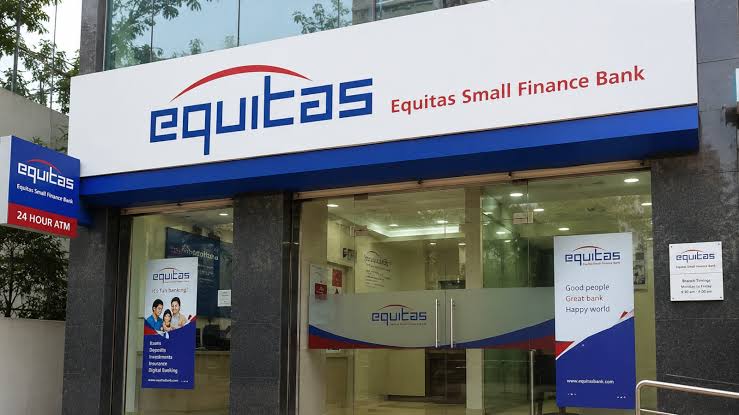
Equitas universal bank license plans will move slowly, not through a quick switch. An Equitas universal bank license means RBI approval for Equitas Small Finance Bank to become a full-service bank. That could widen its services, but the bank says it will first build strength and stay careful with risk.
Why is Equitas looking at a universal bank license?
Equitas Small Finance Bank began as a small finance bank, or SFB. An SFB is a bank built to serve people and small firms that often struggle to get loans. It must focus a large share of lending on smaller borrowers.
A universal bank has a broader job. It can serve more kinds of customers and offer more products, within RBI rules. That may include bigger company loans and a wider mix of banking services.
The Equitas universal bank license idea is about having more room to grow. Yet bigger freedom brings bigger duties. The bank must show that its money, systems and risk checks can handle a larger role.
Equitas is not asking customers to expect an overnight change. The bank is weighing whether becoming a universal bank can add choices without weakening the careful lending that built its business.
What would change for customers?
For a customer, the change may not be dramatic on day one. Savings accounts, fixed deposits, cards and mobile banking would still matter. A fixed deposit is money kept with a bank for a set time for interest.
Over time, a universal bank could offer a broader range of loans. It could also compete for more business from larger companies. But RBI approval does not promise every new product straight away.
| Area | Small finance bank | Universal bank |
|---|---|---|
| Main aim | Serve smaller borrowers | Serve a wider customer mix |
| Lending focus | Strong focus on priority sectors | Broader lending mix, under RBI rules |
| Growth challenge | Reach more underserved users | Manage a larger, more varied business |
The key point is simple. An Equitas universal bank license would expand options, but it would not erase the need for discipline. Depositors will want to know their money remains safe while the bank grows.
Why is the bank being cautious?
Banking growth can look exciting, but it carries risk. When a bank gives a loan, it expects the borrower to repay it with interest. If too many borrowers miss payments, the bank can lose money.
That is why lenders watch bad loans closely. A bad loan is a loan where repayment has become seriously late or doubtful. Banks also keep capital, which is their own financial cushion for losses.
Equitas has said it will take measured steps on the universal-bank path. That makes sense because a new license brings closer scrutiny. RBI, India's central bank, sets rules to protect depositors and the wider financial system.
Equitas path: SFB today | RBI review | Universal bank after approval
The chart above shows the order of events. Today comes first. RBI review comes next. A universal-bank status would come only after approval and after the bank meets the needed conditions.
What rules matter most?
RBI licenses banks and checks whether they follow its rules. Its published banking material explains how regulation aims to keep banks sound and protect customers. Readers can review the regulator's guidance on the RBI website.
For Equitas, capital will be a major issue. Capital is not customer deposits. It is the bank's own buffer, so it can absorb losses and still pay depositors.
Governance will matter too. Governance means who runs the bank and how they are held answerable. RBI will look at ownership, board oversight, controls and the bank's record before any major license decision.
The Equitas universal bank license case will also depend on its business mix. A bank cannot chase fast growth and ignore loan quality. It needs good checks before lending, then it must follow up after giving the loan.
How does this fit India's banking push?
India created small finance banks to bring formal banking closer to people outside the biggest cities. Formal banking means regulated services such as bank accounts, deposits and loans. This matters for shop owners, workers and small businesses.
Equitas has built its name in this space. A wider license could help it compete with bigger banks, while its local customer knowledge may remain useful. Still, scale can make mistakes costlier.
Other finance stories show why funding and risk controls matter. For example, microfinance loans above Rs 1 lakh have risen sharply, showing how lenders are reaching borrowers with larger needs. Microfinance means small loans aimed at people with limited access to normal banking.
The bank can also learn from the wider market's focus on steady funding. Its own reports and results are available through Equitas Small Finance Bank's investor relations page. Investors will watch deposit growth, loan quality and capital as this plan develops.
What should people watch next?
First, watch for a formal application or RBI update. Public comments about an Equitas universal bank license are not the same as permission. Only RBI can grant the license.
Second, look at the bank's financial results. Net interest margin, for example, shows the gap between interest earned and interest paid. It helps explain how well a bank earns from its core lending and deposit work.
Third, watch whether Equitas keeps serving smaller borrowers. That mission helped define the bank. A broader license could be useful only if growth does not leave those customers behind.
FAQs
What is an Equitas universal bank license?
It is RBI permission for Equitas Small Finance Bank to operate as a full-service universal bank. It could allow a wider range of banking activity.
How soon could Equitas become a universal bank?
There is no fixed public date. Equitas says it will move carefully, and RBI approval would be needed before any change.
Why does RBI approval matter?
RBI checks whether banks have enough capital, sound controls and proper leadership. Those checks help protect depositors and the banking system.
Get the day’s top stories in your inbox
One concise email. No spam, unsubscribe anytime.


