Key takeaways
- HPCL reported a ₹26,000 crore fuel-price gap in the first quarter of FY27.
- The gap covers petrol, diesel and domestic LPG, or cooking gas.
- It does not mean every fuel price will rise at once.
- Government support or future price changes could decide the final impact.
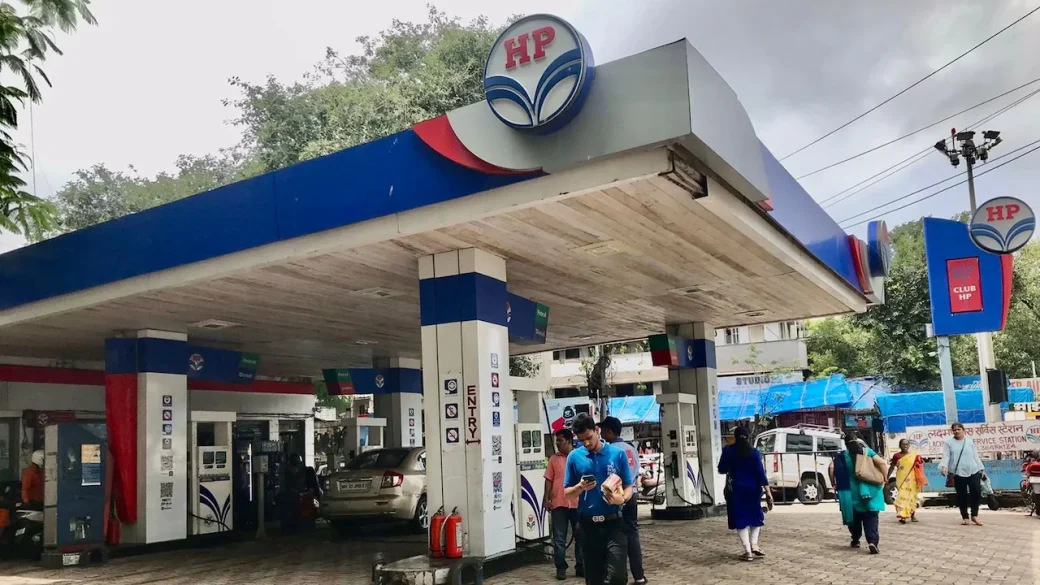
HPCL under recovery reached ₹26,000 crore in Q1 FY27, showing a large gap between fuel costs and selling prices. HPCL under recovery is the money a fuel seller misses when its sale price cannot cover its cost. The figure includes petrol, diesel and LPG. It puts fresh focus on fuel prices and possible government support.
Why did HPCL under recovery climb so sharply?
Hindustan Petroleum Corporation Ltd, or HPCL, sells fuel through a huge network of pumps and distributors. It must buy crude oil, the raw form of petroleum, and turn it into usable fuels. Crude prices, freight charges and a weaker rupee can all raise that bill.
Fuel prices at the pump do not always move as fast as costs. That may help families for a while, but it can squeeze a fuel company. The HPCL under recovery figure shows how much that squeeze added up during the April-to-June quarter.
The reported ₹26,000 crore gap works out to roughly ₹289 crore each day across a 90-day quarter. That simple average is not a daily bill. Still, it shows the scale in a way that is easier to picture.
HPCL Q1 FY27 fuel-price gap₹26,000 crore reported gapAbout ₹289 crore a dayQuarter length: 90 days | Fuels: petrol, diesel and LPG
What does under recovery mean for a fuel company?
An under recovery is not the same as a final loss. It is a gap measured against a fair selling price or the company’s cost. A company may later recover some money if fuel prices change or if the government pays compensation.
For example, domestic LPG prices have often involved government support. That support can shield households from a sudden jump in cylinder prices. But the timing and size of any payment matter greatly for HPCL’s cash flow.
Cash flow means money moving in and out of a business. A large shortfall can leave less cash for buying crude, paying suppliers or building new fuel stations. HPCL also has to fund its shift toward cleaner energy and new services.
How could HPCL under recovery affect drivers and LPG users?
The ₹26,000 crore number does not automatically mean a price rise tomorrow. Petrol and diesel prices depend on several moving parts. These include global crude prices, the rupee, taxes, dealer margins and the choices of oil firms.
India’s three big state-owned fuel sellers often watch each other closely. HPCL competes with Indian Oil and Bharat Petroleum at many pumps. If costs stay high for longer, the firms may seek a price change or government help.
| Fuel | Where people buy it | Why a cost gap matters |
|---|---|---|
| Petrol | Fuel stations | It can affect car and two-wheeler running costs. |
| Diesel | Fuel stations | It can raise transport and delivery costs. |
| Domestic LPG | Home cylinders | It can affect household cooking budgets. |
Diesel matters beyond cars and trucks. It powers farm machines, buses and goods vehicles, so higher costs can spread through the economy. A delivery truck’s fuel bill, for instance, may feed into the price of food in a shop.
What can the government and HPCL do next?
The government has several choices, and each has a cost. It can allow retail prices to rise, offer compensation, cut some taxes, or wait for crude prices to cool. A subsidy is government money that lowers a buyer’s price.
Officials must weigh company finances against household budgets. Price changes can add to inflation, which means a broad rise in everyday costs. Yet leaving a large gap unpaid can weaken the firms that keep fuel moving nationwide.
Readers should watch HPCL’s next earnings update for details on margins, inventory gains and any support received. Inventory gains happen when a company sells fuel made from cheaper crude bought earlier. Those gains can soften the blow, but they may not last.
HPCL publishes company results and notices on its official website. The Ministry of Petroleum and Natural Gas also posts policy updates on its official portal. Those sources can confirm whether the gap leads to a policy step.
HPCL’s ₹26,000 crore Q1 FY27 under recovery is a cost-and-price gap, not a guaranteed fuel-price hike. What happens next depends on crude costs, retail pricing and any government support.
Why does this matter for India’s economy?
India imports much of the crude oil it uses. That leaves the country exposed when world oil prices rise or shipping routes face trouble. A costly shipment can affect refiners long before a driver sees a changed sign at a fuel pump.
The HPCL under recovery also matters to investors and taxpayers. Investors look for pressure on profit and cash. Taxpayers may face a future support bill if the state chooses to protect fuel prices.
For now, the key fact is the size of the reported gap: ₹26,000 crore in one quarter. The next few months will show who absorbs that cost.
FAQs
What is HPCL under recovery?
HPCL under recovery is the gap between what the company spends on fuel and what it receives from selling it. It can shrink if prices rise or support arrives.
How much was HPCL’s Q1 FY27 fuel-price gap?
HPCL reported ₹26,000 crore across petrol, diesel and LPG in Q1 FY27. The quarter covers three months.
Why might LPG prices not rise straight away?
The government can choose to support domestic LPG prices. Global oil costs may also fall before any change becomes necessary.
Get the day’s top stories in your inbox
One concise email. No spam, unsubscribe anytime.


