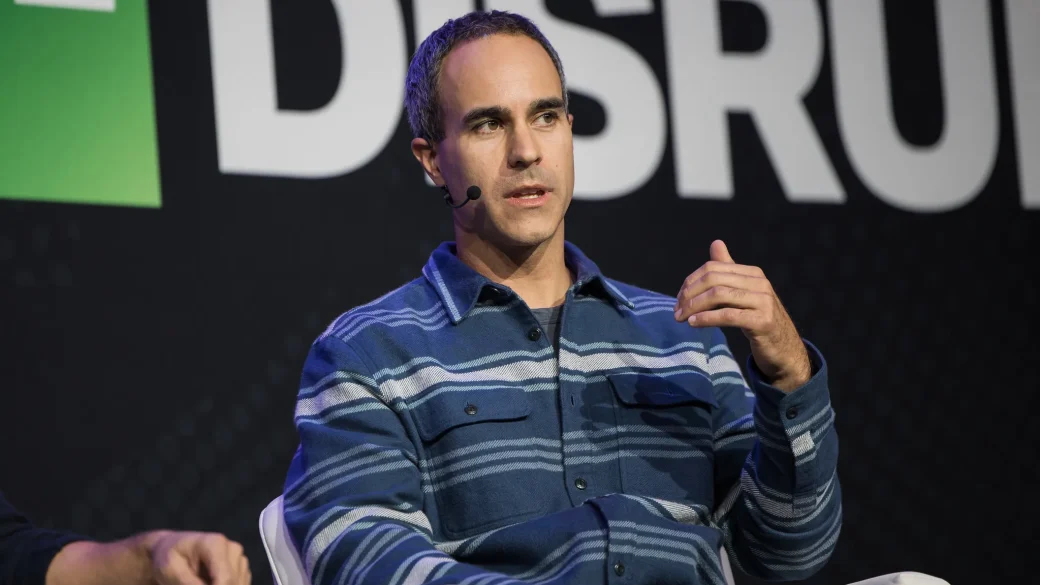
Indian startups are becoming increasingly disciplined about managing artificial intelligence costs, with founders prioritizing efficiency and return on investment from the earliest stages of product development, according to Marc Manara, OpenAI’s Head of Startups, Venture Capital, and Private Equity. Speaking during a visit to Bengaluru, Manara said Indian entrepreneurs are significantly more cost-conscious than many of their Silicon Valley counterparts, carefully evaluating model selection, inference costs, and infrastructure expenses before scaling AI applications.
Manara noted that this cost-focused mindset is emerging as a competitive advantage for Indian startups as AI models become more powerful and affordable. Rather than chasing the largest or most expensive models, many founders are building products around the best balance of performance, latency, and operating costs. At the same time, he highlighted India’s deep pool of engineering talent and said the country has the potential to produce more companies developing frontier AI technologies.
Indian Startups Focus on AI Economics
The comments come as funding keeps flowing into the sector, with Indian AI startups raising $1.067 billion in H1 2026.
According to Manara, Indian startups differ from many global peers by making AI cost optimization a priority from day one.
Instead of selecting models solely based on benchmark performance, founders increasingly evaluate:
- Cost per inference.
- Latency and response speed.
- Infrastructure efficiency.
- Scalability of AI workloads.
- Long-term operating expenses.
He said this disciplined approach enables startups to build sustainable businesses while maintaining healthy unit economics.
Key Takeaways
| Topic | Marc Manara’s View |
|---|---|
| AI Cost Management | Indian startups prioritize costs earlier than many Silicon Valley peers |
| Engineering Talent | India has exceptional technical talent density |
| AI Models | Companies should choose models based on business needs, not just benchmark performance |
| Future Opportunity | India should build more frontier AI companies |
Falling AI Costs Will Accelerate Innovation
Manara said AI models are expected to become significantly cheaper over the next year, making advanced capabilities more accessible to startups of all sizes. Lower inference costs, combined with improvements in model efficiency, are likely to reduce barriers to AI adoption across industries.
He added that founders should prepare for an environment where:
- AI infrastructure becomes more affordable.
- Model performance continues improving rapidly.
- Competition increasingly shifts toward product quality and execution rather than access to AI models.
- Businesses can scale AI applications with lower operating costs.
Open-Weight Models Expand Startup Choices
Manara also highlighted the growing availability of open-weight AI models, saying they provide startups with greater flexibility when building AI products.
Benefits of open-weight models include:
- Reduced dependence on a single AI provider.
- Greater customization for specific use cases.
- Lower deployment costs in some scenarios.
- Increased experimentation and innovation.
Rather than viewing open-weight models as a threat, he suggested they expand the range of tools available to founders and encourage greater innovation across the AI ecosystem.
AI Is Changing How Startups Build Teams
Another major trend identified by Manara is the impact of AI on startup hiring and productivity.
He said startups are increasingly:
- Building products with smaller engineering teams.
- Using AI throughout software development.
- Automating routine operational tasks.
- Generating more revenue with fewer employees.
This shift allows founders to allocate resources more efficiently while accelerating product development cycles.
Emerging AI Startup Trends
| Trend | Impact |
|---|---|
| Smaller Teams | Higher productivity per employee |
| Lower AI Costs | Easier startup scaling |
| Open-Weight Models | Greater flexibility and vendor choice |
| Cost-Conscious AI Adoption | Improved long-term unit economics |
India’s Opportunity in Frontier AI
Despite praising India’s engineering talent, Manara argued that the country should create more companies focused on building foundational AI technologies rather than only developing applications on top of existing models. He said India’s combination of technical expertise, entrepreneurial ecosystem, and growing AI adoption positions it well to play a larger role in the global AI landscape.
Looking Ahead
Government support is also growing alongside private investment, including Google selecting 20 Indian AI startups for its 2026 accelerator programme.
Marc Manara’s comments reflect a broader shift in the AI startup ecosystem, where success is increasingly determined not only by access to advanced models but also by how efficiently companies deploy them. Indian startups’ emphasis on controlling AI costs, optimizing infrastructure, and selecting models based on practical business needs could become a long-term competitive advantage as generative AI becomes more widely adopted. With model costs expected to decline further and open-weight AI expanding the range of available options, startups will have greater flexibility to build scalable products without incurring unsustainable operating expenses.
Looking ahead, India’s strong engineering talent and growing AI ecosystem present an opportunity to move beyond AI application development toward building globally competitive frontier AI companies. As AI technologies become more accessible and affordable, the next phase of innovation is likely to be driven by startups that combine technical excellence with disciplined cost management and differentiated product execution.
Frequently Asked Questions
What did OpenAI’s Marc Manara say about Indian startups and AI costs?
Manara, OpenAI’s Head of Startups, Venture Capital, and Private Equity, said Indian entrepreneurs are significantly more cost-conscious than many Silicon Valley counterparts, carefully evaluating model selection, inference costs, and infrastructure expenses before scaling AI applications.
Where did Manara make these comments?
He made the comments during a visit to Bengaluru.
Why are Indian startups focused on AI economics?
Founders are prioritizing efficiency and return on investment from the earliest stages of product development, carefully weighing model selection and infrastructure costs before scaling AI applications.
Get the day’s top stories in your inbox
One concise email. No spam, unsubscribe anytime.


