Key takeaways
- Marvell gave Google an option linked to up to $12.2 billion in Marvell shares.
- The arrangement supports Google’s demand for custom chips for artificial intelligence.
- Google may use the option to secure supply without building every chip itself.
- The deal shows how big cloud firms are shaping the chip market.
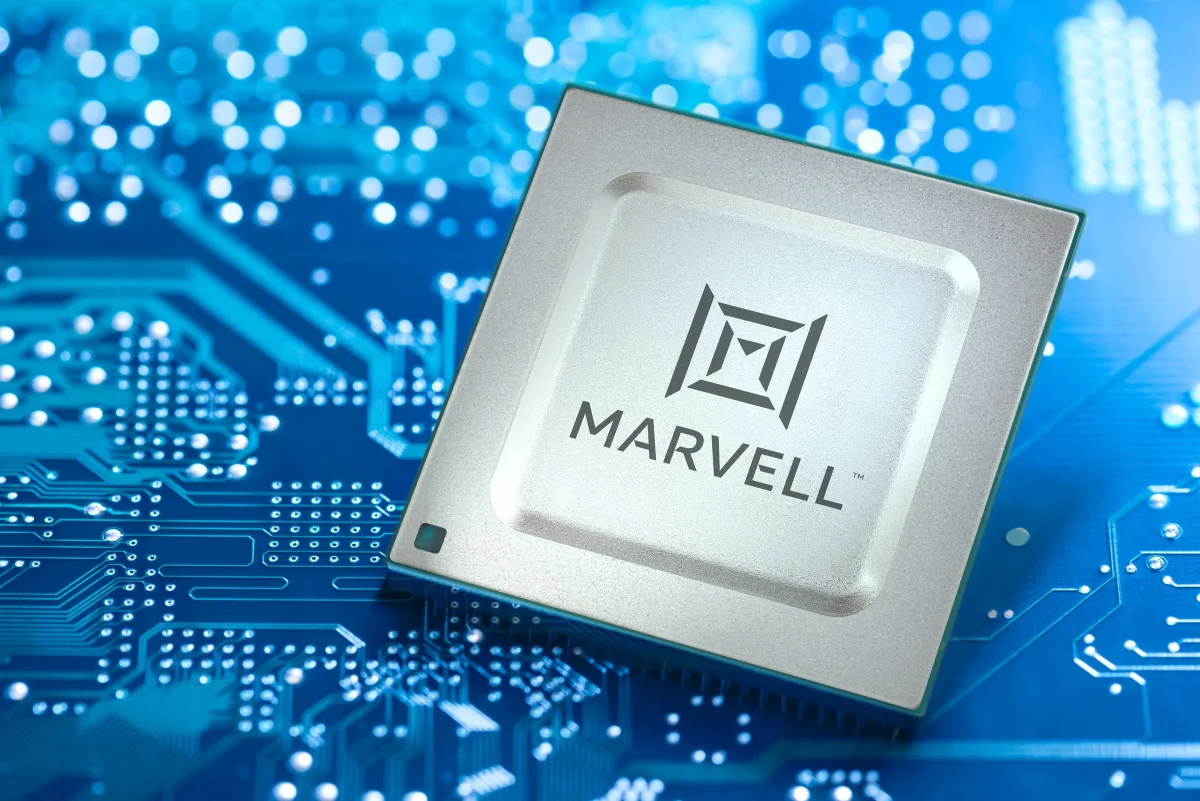
The Marvell Google chip deal is a supply and investment agreement tied to custom AI chips. Marvell makes chips and chip parts, while Google designs some chips for its data centres. The arrangement could give Google a stronger supply line as AI computing demand keeps rising.
Marvell disclosed the share option in a filing and company announcement. The option could cover up to $12.2 billion of Marvell stock, depending on the terms and future chip purchases. That does not mean Google has paid $12.2 billion today.
What is the Marvell Google chip deal?
The Marvell Google chip deal links two things: chip supply and a possible stock purchase. An option is a right to buy something later at agreed terms. Here, Google gets the right to buy Marvell shares under conditions tied to the relationship.
Marvell is a semiconductor company. A semiconductor is a tiny electronic material used to make chips. Marvell often supplies the less visible parts that help data centres move, store and process information.
Google runs huge data centres for Search, YouTube, cloud services and AI tools. It also designs custom chips, such as processors made for a specific task. Custom chips can lower costs and improve speed, but Google still needs outside companies to manufacture and package them.
That is where Marvell fits. The company can help create custom silicon for large customers. Silicon is another common name for the material used in most modern computer chips.
Why does Google want more custom AI chips?
AI systems need far more computing power than ordinary software. They break large tasks into many small calculations, which require powerful chips and fast links between machines.
Google has developed its own Tensor Processing Units, or TPUs. A TPU is a chip designed mainly for AI work. Google uses TPUs in its own services and offers access to them through Google Cloud.
Still, no major cloud company wants to depend on one chip supplier. Nvidia remains the leading provider of AI accelerators, which are chips built to speed up AI calculations. Google can reduce that dependence by designing more chips and working with partners such as Marvell.
The deal also gives Google more control over supply. Chip shortages can delay new data centres, raise costs and limit how many customers a cloud company can serve. A long-term relationship may help Google plan its spending years ahead.
What does the $12.2 billion option really mean?
The $12.2 billion figure is a possible value, not a guaranteed cash payment. Google may exercise the option only if the agreement’s conditions are met. The final value will depend on how many shares Google buys and the price set by the deal.
Stock options can align two companies. If Google becomes a shareholder, it may have a stronger reason to support the partnership. Marvell, meanwhile, could receive money or gain a valuable customer relationship if Google uses the option.
Investors should also separate the option from Marvell’s regular sales. Chip orders bring revenue when Marvell delivers products. A share option affects ownership and financing, so it does not automatically equal $12.2 billion in sales.
| Part of the deal | What it means |
|---|---|
| Chip relationship | Marvell helps support Google’s custom chip plans. |
| Share option | Google may buy Marvell stock under agreed conditions. |
| Maximum value | Up to $12.2 billion, subject to the deal’s terms. |
| Main goal | Improve AI chip supply and long-term planning. |
How could the deal change the AI chip market?
The Marvell Google chip deal shows that AI competition is no longer only about buying the fastest chip. It is also about securing designs, factories, packaging and data-centre networks.
Marvell’s role could grow as cloud companies seek custom chips. Amazon designs its own AI chips, Microsoft is developing custom silicon, and Google has its TPU programme. Each company wants more control over the cost and performance of its systems.
That pressure could create more work for chip designers that serve large customers. It may also make the market harder for smaller firms. Building advanced chips requires billions of dollars, specialist engineers and access to scarce manufacturing capacity.
The deal comes as chip companies seek fresh ways to fund expansion. For another example of chip businesses turning to public markets, see this report on Baidu’s Kunlunxin chip IPO plans.
Potential share option valueUp to $12.2B$0$12.2BMaximum stated value
The chart shows the maximum stated value of the option. It does not show a cash payment already made by Google or confirmed future revenue for Marvell.
What should investors watch next?
Investors will watch whether Google exercises the option and whether Marvell reports larger custom-chip orders. They will also track when the companies convert plans into delivered products.
Marvell’s results may show the near-term effect first. Revenue is money a company earns from selling goods or services. Revenue growth would give a clearer signal than the headline value of a stock option.
Google’s cloud business offers another clue. If customers keep renting AI computing at a fast pace, Google may need more TPUs and other custom chips. But weaker demand could delay new orders, even after a large agreement.
The Marvell Google chip deal also carries a basic risk: concentration. If one customer becomes too important, a change in that customer’s plans can affect the supplier. Marvell must balance Google’s work with business from other customers.
Readers can follow Marvell’s official filings and investor updates through its investor relations site. Google’s TPU information page explains why the company builds chips for AI workloads.
What does the Marvell Google chip deal mean for users?
Most people will not see a Marvell chip inside a Google app. They may notice the effects indirectly. More efficient chips can help Google offer AI tools faster or at a lower cost.
That result is not guaranteed. Companies still face high power bills, expensive data centres and strong competition. The deal mainly gives Google another way to plan for the huge amount of computing AI requires.
FAQs
What is the Marvell Google chip deal?
It is a partnership linked to custom AI chips and a possible purchase of up to $12.2 billion in Marvell shares.
Why is Google working with Marvell?
Google wants more control over AI chip supply, costs and performance. Marvell can help build custom silicon for large data centres.
Does Google pay Marvell $12.2 billion now?
No. The figure describes the maximum value of a share option. The final value depends on the agreement’s conditions and Google’s choice.
Get the day’s top stories in your inbox
One concise email. No spam, unsubscribe anytime.


