Key takeaways
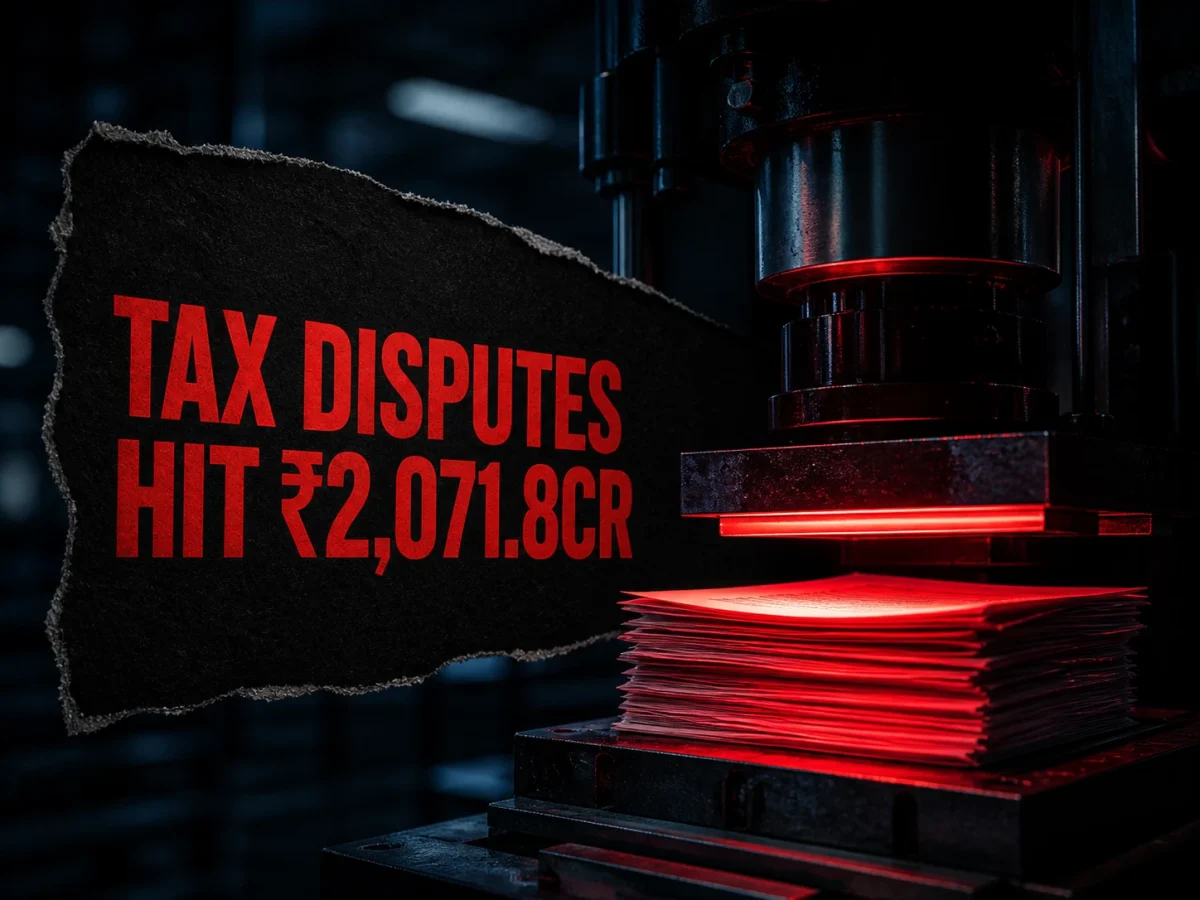
- Meesho tax disputes rose to ₹2,071.8 crore in FY26.
- The amount is more than three times the earlier figure.
- The claims do not equal a final tax bill today.
- Meesho must still defend its position before tax authorities.
Meesho tax disputes are claims from tax authorities that the company may owe more money. Their total reached ₹2,071.8 crore in FY26, according to a report by BusinessLine. The rise matters because large claims can affect cash, profits, and investor confidence.
The figure covers cases linked to the online marketplace’s business. It does not mean Meesho has already paid ₹2,071.8 crore. A tax dispute can take years to settle, and the final amount may change.
Why did Meesho tax disputes jump?
Meesho’s reported tax disputes rose more than threefold during FY26. That sharp rise may reflect new notices, fresh assessments, or a higher value placed on older cases. The company’s filings and legal responses will show the exact mix.
A tax assessment is the government’s calculation of what a company may owe. Companies can challenge that calculation if they believe officials used the wrong rule, rate, or business data.
Online marketplaces often face complex tax questions. These can involve goods and services tax, income tax, customs duty, and rules for sellers. The issues may also cover how a platform records sales, fees, refunds, and overseas services.
For example, a platform may collect money from a customer but keep only a service fee. Tax officials might ask whether tax applies to the full sale or only to that fee. That difference can create a large claim.
What does ₹2,071.8 crore include?
The reported total is a disputed amount, not a confirmed loss. It can include the main tax claim, interest, and penalties. Interest is the extra money added over time, while a penalty is a charge for an alleged breach.
The number also may combine several cases from different years. So readers should not treat it as one single bill or one final ruling. Meesho’s annual report and offer documents should give more detail about each case.
| Item | Reported position | What it means |
|---|---|---|
| Total disputed claims | ₹2,071.8 crore | Claims under challenge in FY26 |
| Year | FY26 | Financial year ending in March 2026 |
| Change | More than threefold | The amount grew sharply from the earlier figure |
| Final payment | Not established | Authorities and courts still need to decide |
Reported Meesho tax disputesEarlier: below ₹700 crFY26: ₹2,071.8 crEarlier levelFY26 level
Could Meesho pay the full amount?
Not necessarily. Meesho can reply to notices, seek a review, or appeal an order. An appeal is a formal request for a higher authority or court to reconsider a decision.
The company may also set aside money for a possible loss. This is called a provision, which means recording an expected cost before the case ends. A provision can reduce reported profit, even before cash leaves the business.
Whether Meesho needs a provision depends on its lawyers’ view and accounting rules. If the risk seems possible but not likely, a company may disclose the dispute without recording the full claim as an expense.
Why does this matter before an IPO?
Meesho has drawn strong attention from public-market investors. Its reported Y Combinator Meesho stake sale is one sign of the interest around the company.
An IPO is a first public sale of a company’s shares. Before that sale, investors study legal claims, costs, growth, and cash flow. Large Meesho tax disputes could lead investors to ask tougher questions about future profits.
They may also affect how banks and funds value the company. Still, a dispute alone does not prove wrongdoing. The key question is whether Meesho can win the cases or limit the final payment.
Investors should check the company’s official offer documents when they become available. India’s Securities and Exchange Board of India publishes public issue filings and related notices. The Ministry of Corporate Affairs also provides company filing information.
What should readers watch next?
First, watch for a clearer break-up of the ₹2,071.8 crore total. The split between tax, interest, and penalties will show the real size of the risk.
Next, check whether Meesho wins at an early stage. A favourable order could cut the claim before it reaches a court. But an adverse order could force a payment or a larger accounting provision.
Cash is another important clue. A company with strong cash reserves can handle a disputed claim more easily. A fast-growing firm may still face pressure if it must pay while funding expansion.
The broader lesson is simple: a tax dispute is a warning sign, not a final verdict. Meesho tax disputes deserve attention, but readers should wait for official filings and rulings before judging the company’s full financial impact.
FAQs
What are Meesho tax disputes?
They are tax claims made by authorities that Meesho has challenged or may challenge.
How much are the reported claims?
The reported total is ₹2,071.8 crore for FY26, and it has not become a final payment.
Why do Meesho tax disputes matter to investors?
They could affect cash, profits, company value, and questions around a possible IPO.
Get the day’s top stories in your inbox
One concise email. No spam, unsubscribe anytime.


