Key takeaways
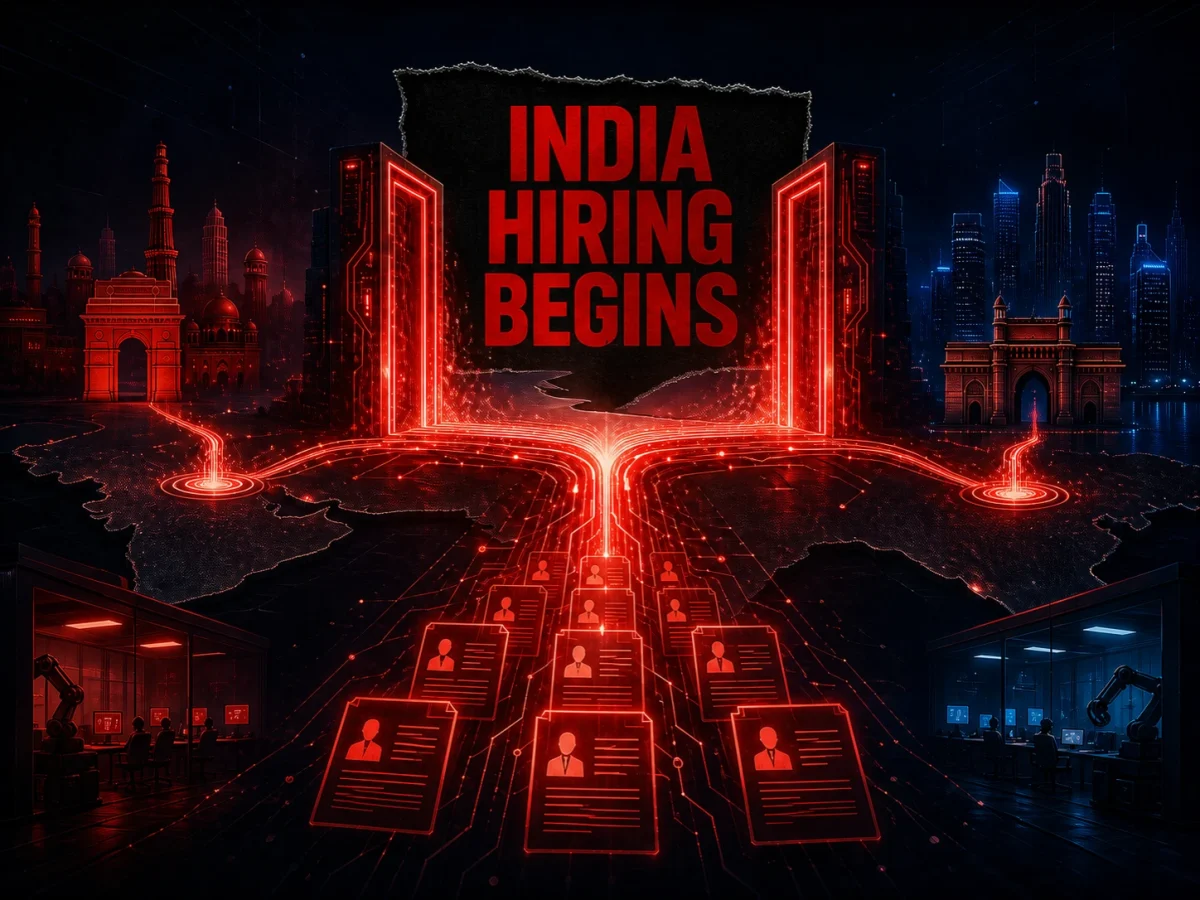
- OpenAI has started hiring for AI-related roles in Delhi and Mumbai.
- The move gives the company a closer link to India’s large technology workforce.
- New hires could support research, customer work and local partnerships.
- The openings do not yet confirm the size of a full Indian office.
OpenAI hiring India means the artificial intelligence company is seeking local talent for work in the country. Public job listings point to roles in Delhi and Mumbai. That gives OpenAI a stronger base in one of the world’s biggest software markets. It also raises questions about its long-term India plans.
The company’s hiring push comes as Indian firms and global technology groups spend more on AI. OpenAI makes ChatGPT and other AI tools. Its local team could help customers use those products in Indian languages, businesses and public services.
The available listings show that OpenAI is looking beyond a single type of worker. AI engineers may build or improve systems, while other staff could help customers deploy them. A deployment means putting a tool into real use, such as a bank’s help desk or a software team’s coding process.
Why is OpenAI hiring India now?
India offers two things that matter to an AI company: skilled workers and a huge user base. The country has millions of software professionals, and many already work with cloud tools, data and machine learning. Machine learning is a way for computers to spot patterns and make predictions.
India also has more than 1.4 billion people and hundreds of millions of internet users. That makes the country a major market for ChatGPT and business AI tools. OpenAI can learn more about local needs by working with people based in India.
The company faces strong competition there. Google, Microsoft, Amazon and several Indian startups are also building AI products. Local engineers can help OpenAI respond faster to rivals and to customers who want support in India.
OpenAI hiring India may also reflect the company’s wider effort to work directly with national markets. A local presence can help with sales, partnerships, trust and rules. Those tasks are harder to manage from offices far away.
What will AI engineers do?
AI engineers usually turn research into working products. They may test models, improve computer code, manage data or make systems faster. An AI model is the software that learns from examples and then produces an answer, image or prediction.
OpenAI’s engineers in India could support product work for local users. They may also help firms connect OpenAI tools with their own software. That work often involves application programming interfaces, or APIs. An API is a set of rules that lets two software systems share instructions and data.
Not every role will involve inventing a new AI model. Some jobs may focus on reliability, safety, customer support or business growth. Reliability means keeping a service available and working as expected. Safety work aims to reduce harmful or false answers.
The two cities bring different strengths. Mumbai is India’s financial centre, with banks, insurers and media firms. Delhi has government offices, large companies and a wide pool of technology workers. Together, they give OpenAI access to several major customer groups.
How large could OpenAI’s India push become?
The job listings show a hiring step, not a confirmed headcount. OpenAI has not publicly stated that it will hire a fixed number of people in India through these openings. So readers should not treat the listings as proof of a large campus or research lab.
Still, the signal matters. Hiring in two cities suggests that OpenAI wants people close to Indian customers. The company could expand later if demand grows, but that decision would depend on sales, costs and local rules.
India’s AI market is growing, but companies face real limits. Training advanced systems needs large amounts of computing power and electricity. Computing power means the chips and machines used to process information.
OpenAI India hiring signalCities named2: Delhi, MumbaiMain aims3: build, sell, supportMarket scale1.4B+ peopleFigures describe the reported hiring footprint, not a confirmed employee count.
| Area | Why it matters | What to watch |
|---|---|---|
| Delhi | Government and large firms | Public sector and enterprise deals |
| Mumbai | Finance and media | Banking and customer tools |
| Engineering | Product and model work | New roles and team size |
Another challenge is regulation. India is setting rules for digital services, data and AI use. OpenAI will need to meet those rules while earning trust from schools, companies and public agencies.
What does OpenAI hiring India mean for workers?
For engineers, the openings could create a path into one of the best-known AI companies. Candidates may need strong skills in software, maths, data or model testing. Competition will likely be high because India has a deep but crowded technology job market.
For startups, OpenAI’s hiring can cut both ways. It may help the wider ecosystem by training workers and bringing more attention to AI. But it could also attract experienced staff away from smaller companies.
For businesses, local OpenAI staff could make buying and using AI tools easier. Companies may get quicker support and advice about how to protect private data. They will still need to check costs, accuracy and how much human review a system needs.
The clearest takeaway is simple: OpenAI hiring India shows rising interest in the country, but it is not yet proof of a giant new office. The next clues will be the number of roles, the teams they join and any formal announcement from OpenAI. Readers can check the company’s official careers page for current openings.
FAQs
What does OpenAI hiring India mean?
It means OpenAI is seeking workers in India, including for AI-related jobs in Delhi and Mumbai.
Which cities are linked to the OpenAI roles?
The reported openings are linked to Delhi and Mumbai, two of India’s largest business centres.
Why is India important to OpenAI?
India has a large technology workforce, a huge internet market and many businesses that want AI tools.
Get the day’s top stories in your inbox
One concise email. No spam, unsubscribe anytime.


