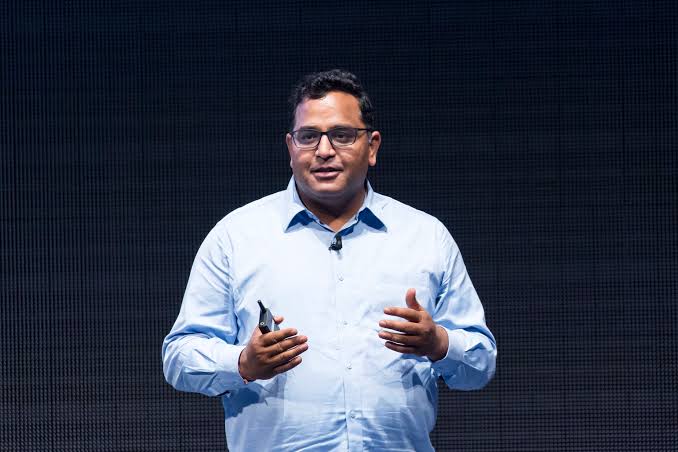
Paytm’s top management, including Chief Executive Officer Vijay Shekhar Sharma and Chief Financial Officer Madhur Deora, has received show-cause notices from the Securities and Exchange Board of India (SEBI) over the timing of a December 2023 disclosure concerning the company’s decision to reduce its exposure to small personal loans.
The regulator’s action centers on whether Paytm disclosed the information to investors within the required timeframe and whether the decision should have been classified as unpublished price-sensitive information. The notices, dated August 11, 2026, give the executives 14 days to respond. Paytm has said it does not expect any financial impact from the regulatory action.
SEBI Questions Timing of Paytm’s 2023 Loan Disclosure
Paytm announced on December 6, 2023, that it would reduce the issuance of personal loans below ₹50,000. The decision followed the Reserve Bank of India’s move in November that year to increase risk weights on unsecured consumer credit amid concerns about the rapid expansion of small-value lending.
SEBI is now examining the timing of Paytm’s disclosure and its classification under securities-market disclosure rules. The regulator has issued notices to key managerial personnel, including Sharma and Deora, seeking their responses to the concerns raised.
Key Details
| Particular | Details |
|---|---|
| Company | One 97 Communications (Paytm) |
| Regulator | SEBI |
| CEO Named | Vijay Shekhar Sharma |
| CFO Named | Madhur Deora |
| Disclosure Date | December 6, 2023 |
| Issue | Timing and classification of disclosure |
| Notice Date | August 11, 2026 |
| Response Period | 14 days |
| Paytm’s Position | No expected financial impact |
What Paytm Announced in December 2023
The December 2023 announcement said Paytm would issue fewer personal loans below ₹50,000.
The change came roughly three weeks after the RBI tightened capital requirements for unsecured consumer loans extended by banks and non-bank financial companies. The central bank’s measures were intended to address risks associated with rapidly expanding consumer credit.
For Paytm, small personal loans were an important part of its financial-services business. The company’s decision to reduce this activity therefore represented potentially significant information for investors assessing its future lending growth and financial performance.
Paytm Shares Fell 20% After the Announcement
The disclosure had a major immediate impact on Paytm’s stock.
According to the report, Paytm shares fell 20% on the next trading day after the December 6 announcement. The stock had already declined approximately 12% during the eight days before the announcement, although the broader movement cannot by itself establish any regulatory violation.
The market reaction is one reason the timing of the disclosure is significant from a securities-regulation perspective. SEBI’s investigation is focused on whether investors received material information at the appropriate time, rather than simply on the commercial decision to reduce small-ticket lending.
Market Reaction
| Period | Paytm Share Movement |
|---|---|
| Eight days before disclosure | About -12% |
| Next trading day after disclosure | About -20% |
Why Unpublished Price-Sensitive Information Matters
For more context, see UPI startups raise $5.8 billion in funding since 2021.
Listed companies are required to disclose material information to the stock market in accordance with securities regulations. Information can be particularly significant when it has the potential to influence an investor’s decision to buy, sell or hold a security.
SEBI is examining whether the information concerning Paytm’s lending strategy should have been treated as unpublished price-sensitive information and whether the company and its executives complied with disclosure requirements.
The current notices are show-cause notices, meaning they seek explanations from the individuals and do not represent a final finding of wrongdoing. If SEBI ultimately determines that securities regulations were violated, monetary penalties or other regulatory restrictions could follow.
RBI’s Role in the Background
The dispute is linked to the RBI’s November 2023 action on unsecured consumer lending.
The central bank increased risk weights for certain unsecured consumer loans issued by banks and NBFCs. The move came amid concerns about the rapid growth of personal lending and the potential accumulation of financial-system risks.
Paytm subsequently announced its decision to scale back loans below ₹50,000, linking the change to the evolving regulatory environment.
The RBI’s regulatory action itself is not the subject of the SEBI notice. Instead, the securities regulator is examining how and when Paytm communicated the resulting business decision to investors.
Paytm Says It Does Not Expect Financial Impact
Paytm said its senior executives had received the SEBI notices and that the company does not expect the regulatory action to have a financial impact.
The executives have 14 days to submit their responses. Their explanations will form part of the regulatory process before SEBI determines whether further action is warranted.
The distinction is important because a show-cause notice is an early stage of regulatory proceedings. It gives the recipients an opportunity to present their position before the regulator reaches a final conclusion.
What Happens Next
The immediate next step will be responses from Sharma, Deora and the other executives named in the notices.
SEBI will then assess the explanations and supporting information before deciding whether the matter requires further proceedings. Possible outcomes could include closure of the matter or additional regulatory action if the regulator concludes that disclosure requirements were breached.
The case also highlights the importance of timely disclosure for listed fintech companies whose business models can be significantly affected by regulatory changes.
Looking Ahead
SEBI’s action against Paytm’s senior management brings renewed attention to the disclosure obligations of listed companies when regulatory developments materially alter their business strategies. The December 2023 decision to reduce sub-₹50,000 personal loans followed a major RBI intervention in unsecured consumer lending and was significant enough to trigger a sharp reaction in Paytm’s shares. The regulator is now examining whether the information was disclosed at the appropriate time and whether it should have been treated as unpublished price-sensitive information.
The outcome will depend on the explanations provided by Paytm’s executives and SEBI’s assessment of the company’s disclosure obligations at the time. For investors and other listed fintech companies, the case could reinforce the importance of identifying potentially price-sensitive business developments early and communicating them to the market in accordance with securities regulations. For Paytm, the company has indicated that it does not currently expect a financial impact, but the regulatory process remains ongoing.
Frequently Asked Questions
What is the SEBI notice about?
The timing of Paytm’s December 2023 disclosure about scaling back small unsecured loans.
What happened to the shares?
Paytm shares fell 20% after the announcement.
Does Paytm expect a financial impact?
Paytm says it does not expect a financial impact from the matter.
Get the day’s top stories in your inbox
One concise email. No spam, unsubscribe anytime.


