Key takeaways
- Higher RAM prices can make a new PC build cost more than expected.
- Buyers may need a new motherboard, processor, or both.
- AI data centres are competing for some of the same memory-making capacity.
- Checking the full parts list matters more than chasing one cheap component.
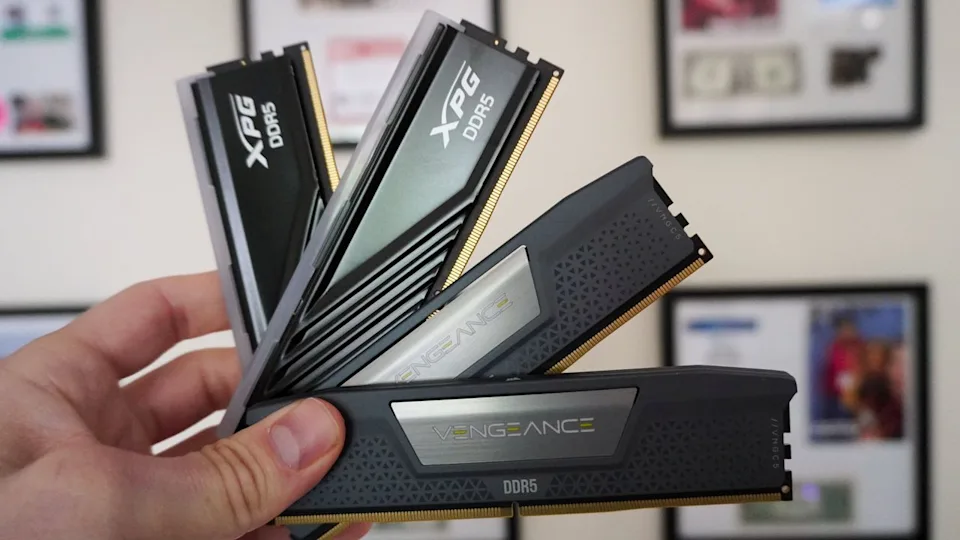
The RAM price crisis could make a PC upgrade cost more than the memory sticks. RAM price crisis is a squeeze in the supply of computer memory. It can push up prices for parts that must work together. That matters for gamers, students, and families buying a new computer.
What is the RAM price crisis?
RAM is a computer’s short-term work space. It holds the apps and files a PC needs right now. More RAM can help a machine switch between tasks without slowing down. But memory makers also sell chips to phone firms and giant data centres.
The current RAM price crisis stems from a hard choice for chip makers. They can make memory for regular PCs, or make higher-value memory for AI servers. AI servers are powerful machines that train and run artificial intelligence tools. Since those buyers order huge amounts, they can pull factory capacity away from home computers.
DRAM means dynamic random-access memory. It is the main kind of working memory inside most PCs. DDR5 is a newer DRAM standard, while DDR4 is an older one. A standard is a shared set of rules that lets parts work together.
Memory firms do not turn factories on like a tap. Building more chip capacity takes years and costs billions of dollars. So a rise in demand can affect shops before new supply arrives. Micron, one major memory maker, explains its products and markets in its company reports.
Why can the RAM price crisis affect other PC parts?
A cheap memory kit does not always mean a cheap upgrade. Many older PCs use DDR4, but newer processors often work best with DDR5. A buyer moving from DDR4 to DDR5 may need a new motherboard. The motherboard is the large board that connects every main PC part.
That change can create a chain of costs. A 32GB DDR5 kit may need a compatible board and processor. Then the old cooler might not fit the new processor socket. A socket is the shaped connection where the processor sits.
Power use can also change. A faster graphics card, processor, and memory setup may need a stronger power supply. The power supply is the box that sends electricity to each part. It is like replacing one wheel, then finding the bike frame needs work too.
Example upgrade cost chainMemory kit: 32GB1 itemPlatform move: DDR4 to DDR5memory + boardFull refreshThe bars show how one memory decision can add compatible parts.
The chart is not a shop price list. It shows why the memory choice can change the size of the whole job. A simple 16GB upgrade often costs less than a full platform move. A platform means the processor, motherboard, and memory working as one group.
What should PC buyers check before spending?
Start by finding out what your current machine supports. Check whether it has free memory slots and which DDR type it uses. Most desktop boards have two or four slots. Many laptops have no open slot because the memory is fixed to the main board.
Next, decide what you actually do on the computer. Web browsing and school work can run well on 16GB. Gaming, video work, or lots of open apps may feel better with 32GB. A 64GB setup is usually for heavier work, such as large video files or code projects.
| Use | Common RAM target | Check first |
|---|---|---|
| School and web | 16GB | Free slot and DDR type |
| Gaming | 16GB to 32GB | Game needs and graphics card |
| Video or coding | 32GB or more | Processor and storage speed |
Don’t buy a kit just because it has the biggest number. Speed ratings matter, but only if the motherboard and processor can use them. A gigabyte, written as GB, measures how much memory can hold. More GB is useful only when your tasks need it.
How does AI demand reach home PC buyers?
AI data centres use very large amounts of memory. Some systems use high-bandwidth memory, or HBM. HBM moves data very quickly between chips. It is not the same product as laptop RAM, but it can compete for factory tools, engineers, and investment.
This is why the RAM price crisis is not only a shop problem. It is also a supply decision inside the chip industry. The JEDEC standards group sets many memory rules used across that industry. Its work helps makers build parts that match, but it cannot instantly create more chips.
India’s push to build more AI skills adds another reason to watch this market. Data centres need people as well as chips. Our report on India’s AI talent gap explains the staffing pressure behind the rush.
What is the smart response to the RAM price crisis?
Buyers do not need to panic-buy memory. Prices can move up and down, and shops often run short sales. But compare the cost of a small upgrade with a full rebuild before ordering. A working DDR4 PC may still serve well for years.
For a new build, choose the memory type early. Then match the motherboard and processor to it. Keep some money for storage, cooling, and a good power supply. That plan can stop one rising memory price from turning into a surprise bill.
The key fact is simple: higher memory prices can change the cost of an entire PC upgrade because newer memory may require a compatible motherboard and processor.
FAQs
What does RAM do in a PC?
RAM holds the data your computer needs while programs are open. More RAM helps when many apps run at once.
How much RAM should a student buy?
For normal school work, browsing, and video calls, 16GB is a sensible target. Check your device’s memory type first.
Why are AI systems linked to memory prices?
AI data centres buy huge amounts of advanced memory. That demand can shape how chip makers use their factories.
Get the day’s top stories in your inbox
One concise email. No spam, unsubscribe anytime.


