Key takeaways
- ByteDance has reached a copyright pact with Hollywood’s Motion Picture Association.
- The deal aims to curb misuse of films and TV material in its Seedance tool.
- It shows that AI video firms face stronger pressure to respect creative rights.
- The agreement does not make every AI-made video automatically safe to use.
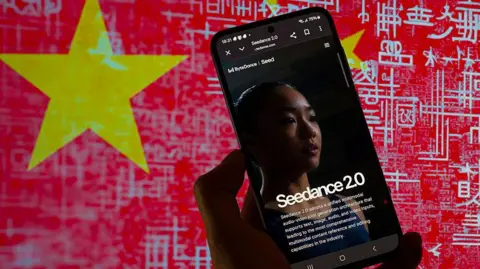
ByteDance has signed a copyright pact with Hollywood’s Motion Picture Association over Seedance AI video. Seedance AI video is a tool that can create video clips from written prompts. The pact aims to stop misuse of protected movie and TV material. It also gives Hollywood a direct way to raise concerns with ByteDance.
Why does Seedance AI video need a copyright pact?
AI video can turn a few typed words into moving pictures within seconds. That speed is exciting, but it can also create trouble. A user may ask for a clip that copies a famous character, scene, or studio style. Copyright is a legal right that lets creators control how their work is copied or used.
Hollywood studios spend years and huge sums making films and shows. They want AI companies to keep their work from becoming free training fuel or easy copy material. The Motion Picture Association, known as the MPA, represents major US studios. Its members include Disney, Netflix, Paramount, Sony Pictures, Universal, and Warner Bros. Discovery.
The agreement signals that ByteDance accepts the problem needs real action. It comes as video tools grow more lifelike. A short fake clip can now look convincing on a phone screen. So studios fear lost income, confused viewers, and fake scenes spreading online.
How will the Seedance AI video pact work?
ByteDance and the MPA said they will work together to rein in copyright misuse. The public announcement did not spell out every technical step. That matters, because a pact is a starting point, not a complete list of rules. The firms may use reporting channels, checks on prompts, or blocks on certain outputs.
For example, a system could flag a request for an exact movie clip. It could also make it easier for a studio to report a video that appears to copy its work. A report does not prove a claim by itself. It asks the platform to review what happened.
The deal does not mean Seedance AI video has a licence for every Hollywood film. A licence is permission to use someone else’s work under set terms. ByteDance would need clear permission for any protected material it wanted to use. Users still need to think before posting or selling an AI-made clip.
Copyright pact at a glance6 MPA studiosrepresented togetherpact1 firmByteDance1 toolSeedanceAim: reduce copying of protected film and TV material
What does this mean for film studios and viewers?
For studios, the pact offers a path to talk with a major AI company before disputes become court fights. Lawsuits can take years and cost millions of dollars. A working contact can help remove a problem clip faster. But studios will likely still watch AI tools closely.
For viewers, the main lesson is simple: a polished video is not always real. AI can imitate faces, voices, and familiar film scenes. Check who posted a clip before sharing it. That habit matters even more during elections, breaking news, or celebrity rumours.
For creators, the rules remain tricky. Making a video with Seedance AI video does not guarantee that it avoids another person’s rights. A prompt, soundtrack, logo, or character may still cause a problem. The safest route is to use original ideas and material you have permission to use.
| Group | What the pact may change |
|---|---|
| Film studios | A clearer route to flag suspected copying |
| ByteDance | More pressure to build and enforce safeguards |
| Users | More limits on prompts and shared clips |
Could this change other AI video tools?
Probably. Hollywood has pushed many tech firms to explain where training material comes from. Training data means the words, pictures, sound, or video used to teach an AI system patterns. The MPA’s move with ByteDance could become a model for later talks with other video makers.
AI companies argue that useful tools need wide access to information. Rights holders answer that their work should not be taken without consent or payment. Courts and lawmakers are still sorting out that clash. Meanwhile, business deals can set practical rules faster than new laws.
The wider AI race is pulling in big money. Higgsfield’s $400 million funding round showed how much investors value AI video companies. Yet money alone cannot settle copyright questions. Firms need trust from creators as well as users.
What happens next for Seedance AI video?
The key test is whether the pact leads to visible safeguards. People will look for faster responses to studio complaints and fewer obvious copies. ByteDance may also explain more about how it handles protected material. Clear rules would help users know where the line sits.
Seedance AI video now sits in a bigger fight about who controls creative work online. The MPA says protecting films and shows supports the people who make them. Readers can learn more about the industry’s anti-piracy work from the Motion Picture Association. ByteDance also identifies its products and company work on its official website.
Here is the clearest takeaway: this pact does not ban AI video. It asks an AI company and film studios to limit copying before it harms creators. That may sound narrow, but it could shape what future video tools allow.
FAQs
What is Seedance AI video?
Seedance AI video is ByteDance’s AI video tool. It makes video clips from prompts, which are written instructions from a user.
Why did ByteDance sign with the MPA?
ByteDance signed the pact to address worries about copied film and TV material. The MPA speaks for six major Hollywood studios.
How does copyright affect AI video users?
Copyright can limit how users copy characters, scenes, music, or logos. Using your own ideas and approved material lowers the risk of a complaint.
Get the day’s top stories in your inbox
One concise email. No spam, unsubscribe anytime.


