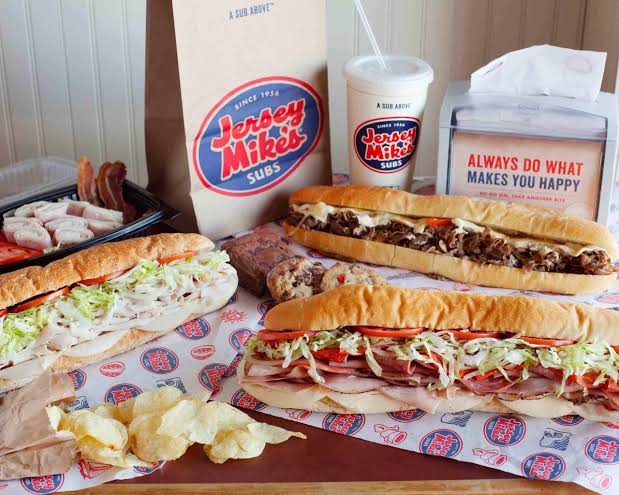
The IPO valuation being discussed for Jersey Mike’s is striking: reports suggest the sandwich chain’s planned stock-market debut could value it at as much as eight times Sweetgreen’s market cap. An IPO valuation is the price tag investors put on a company when it first sells shares to the public. The scale of the number shows how strong investor demand can get for a simple, well-known restaurant brand.
Note that no listing date or offer price has been confirmed. The figures discussed here are reported expectations about relative value, not a priced deal.
Key takeaways
- Jersey Mike’s IPO could value the sandwich chain far above Sweetgreen’s market cap.
- Investors like simple food brands with steady sales and room to grow.
- A higher price can help early owners, but it can also make the stock harder to sell later.
- The big question is whether public market buyers still want restaurant growth stories.
The idea sounds odd at first. How can one sandwich shop chain be worth so much? The answer is simple: investors pay for growth, brand power, and profit hopes, not just food. If they think a business can keep opening stores and making money, they may bid the price up fast.
Why are investors paying so much attention to Jersey Mike’s IPO?
Wall Street likes brands people know and trust. Jersey Mike’s sells a simple menu, and that helps. It does not need a long tech story or a fancy new app. It just needs customers who keep buying subs, chips, and drinks.
That kind of business can look steady. In fact, restaurant chains often draw strong interest when they show sales growth and a clear plan to expand. If the company keeps opening new shops, investors may see a long runway. A runway is just the space left to keep growing.
Jersey Mike’s IPO matters because it tests how much investors still value a simple consumer brand with room to grow.
The comparison with Sweetgreen is useful because Sweetgreen has already been a public-market name. Sweetgreen is the salad chain that once drew a lot of excitement. But restaurant stocks can swing fast when sales cool or costs rise, so one brand’s value can change a lot over time.
How big could the deal be?
The headline claim is striking: the Jersey Mike’s IPO valuation could reach as much as eight times Sweetgreen’s market cap. Market cap means the total value of a company’s stock on the market. It is found by multiplying the share price by the number of shares.
That kind of gap would put Jersey Mike’s in rare company. It would also show that investors think sandwich shops may have a stronger path than salad shops right now. Here are the main numbers people will watch:
- IPO valuation target: possibly up to 8x Sweetgreen’s market cap
- Business model: quick-service restaurant chain
- Main lure: simple menu, known brand, growth potential
- Main risk: food costs, labor costs, and slower store growth
Relative market value
| Jersey Mike’s (reported IPO valuation talk) | Up to 8x |
| Sweetgreen (current market cap) | 1x baseline |
What would this mean for the restaurant market?
If Jersey Mike’s prices high, other chains may try the same path. That can lift hopes for private restaurant brands that want to go public. But it can also make investors more cautious later, because high prices leave less room for mistakes.
Public listing is another word for going public. It means a company starts trading on a stock exchange, like Nasdaq or the New York Stock Exchange. Once that happens, every quarterly update can move the share price. Quarterly means every three months.
| Item | What it means | Why it matters |
|---|---|---|
| IPO valuation | First public price guess | Sets the starting point |
| Market cap | Total stock market value | Shows how big investors think it is |
| Growth story | Plan to open more stores | Drives future demand |
| Profit margin | Money left after costs | Tells if the business can stay healthy |
For readers, the key point is this: a huge valuation does not mean the stock will win after listing. It only means the opening bid is high. If sales stay strong, buyers may cheer. If growth slows, the market can turn quick.
Why do simple food brands get such rich price tags?
Because they are easy to understand. People know what a sandwich is. They know what a salad is too, but a brand with faster sales and a wider fan base can look safer. Also, a chain with many repeat buyers can feel less risky than a new kind of business.
There is also a memory effect. Investors still remember big winners in food and drink, so they look for the next one. But they also remember fast falls. That’s why the first price on the market is only the start of the story.
Why this matters for Indian investors
Indian readers will recognise the pattern even if the brand is unfamiliar. Quick-service restaurant chains listed on Indian exchanges are valued on the same three questions: how many new outlets can be opened, how much each outlet earns, and how much of that survives food and labour costs. A rich IPO valuation is essentially the market pre-paying for years of store additions that have not happened yet.
That is also the risk. When a listing prices at the top of expectations, later returns depend on the company beating an already-optimistic plan. The lesson travels across markets: a headline valuation tells you what buyers hope for on day one, not what the business will deliver over five years.
For more context on public market appetite, see our coverage of SBI Funds’ IPO debut and Domino’s Pizza shares jumping after a revenue beat. You can also compare how investors treat growth stories in Ather’s fundraise and other consumer brands.
Primary sources worth watching include the U.S. Securities and Exchange Commission’s IPO guide at SEC.gov and Sweetgreen’s investor materials at investor.sweetgreen.com. Those pages explain how listings and market updates work.
Frequently Asked Questions
What is an IPO valuation?
It is the price tag placed on a company when it first sells shares to the public. It sets the starting market cap — share price multiplied by the number of shares — and reflects what investors expect from future growth and profit, not just current sales.
When is the Jersey Mike’s IPO and at what price?
No listing date or offer price has been confirmed. What has been reported so far is an expectation about relative value — that the valuation could reach up to eight times Sweetgreen’s market cap. Treat any specific date or price circulating elsewhere as unconfirmed.
Why is Sweetgreen used as the comparison?
Sweetgreen is already a listed restaurant chain, so its market cap gives investors a live, public yardstick for what the market currently pays for a fast-casual food brand. That makes it a convenient benchmark, not a statement that the two businesses are alike.
Get the day’s top stories in your inbox
One concise email. No spam, unsubscribe anytime.


